


 Deutsch
 English
 Español
 Français
 Nederlands
 Português


 Share
Share




China's Critical Minerals Export Control Suspension: Strategic Pause or Tactical Reset?
China's November 7, 2025 suspension of export controls on critical minerals and rare earth elements represents a pivotal moment in global supply chain geopolitics, creating immediate implications for energy transition timelines and strategic technology manufacturing worldwide. This unexpected policy shift, announced following U.S.-China trade negotiations, temporarily halts restrictions on five additional rare earth elements that were scheduled for implementation on November 8, providing breathing room for industries dependent on these essential materials. The suspension affects approximately 80% of global rare earth refining capacity and 94% of permanent magnet production controlled by China, raising fundamental questions about whether this represents genuine strategic realignment or merely tactical maneuvering in the ongoing U.S.-China trade war.
What Are Critical Minerals and Why Do They Matter?
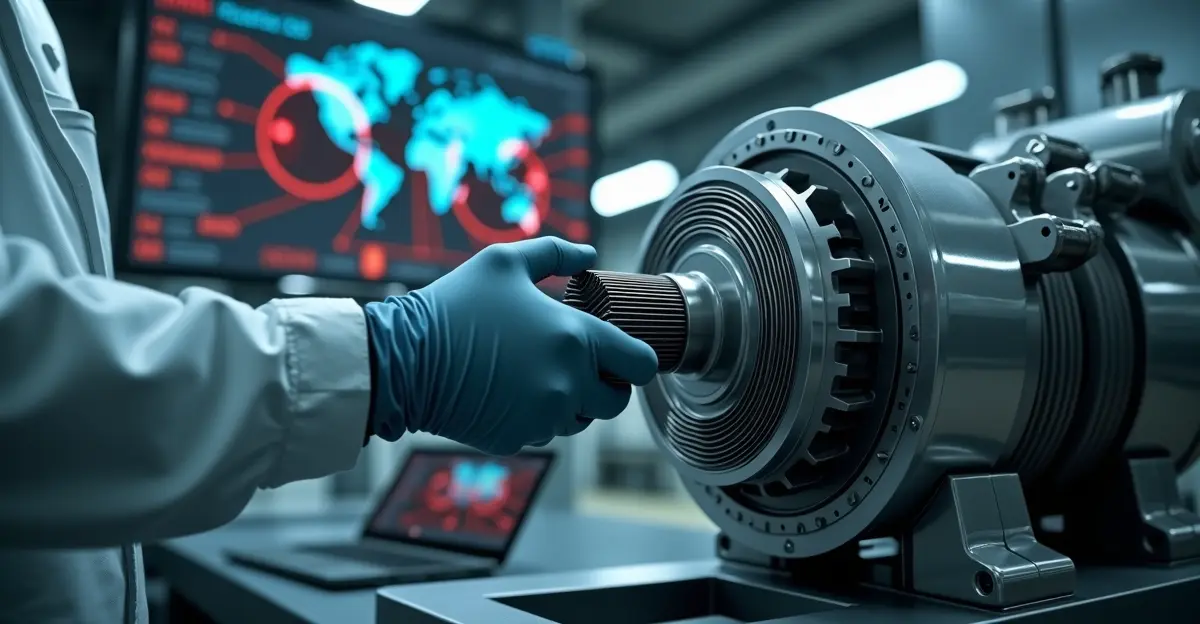
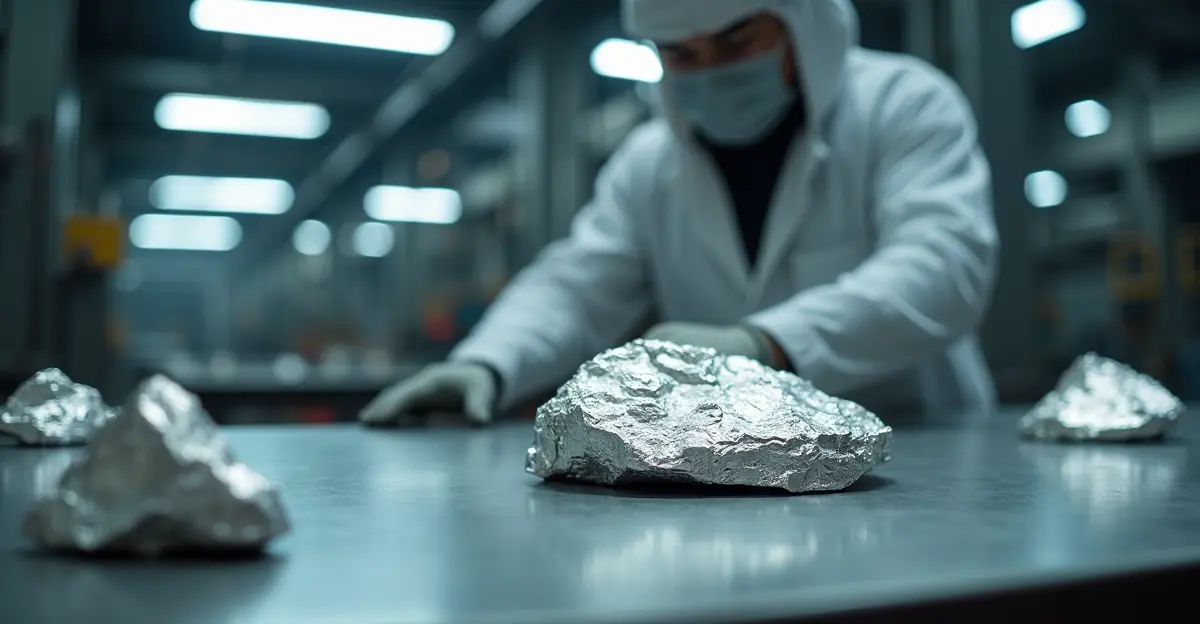
Critical minerals encompass 17 rare earth elements plus other strategically important materials essential for modern technology, renewable energy, and defense applications. According to the U.S. State Department, these materials power everything from electric vehicle batteries and wind turbines to semiconductors and advanced military equipment. China's dominance in this sector is staggering: the country controls 60% of global rare earth production, 90% of refining capacity, and nearly all permanent magnet manufacturing. This concentration creates significant supply chain vulnerabilities for Western nations, particularly as the world accelerates toward clean energy transitions requiring massive mineral inputs.
The Geopolitical Context of China's Suspension
The suspension emerged from October 30, 2025 negotiations between Chinese President Xi Jinping and U.S. President Donald Trump, resulting in a broader trade agreement that included reciprocal concessions. Under the deal, China suspended its planned export controls for one year while the U.S. agreed to lower tariffs on Chinese imports by 10 percentage points and suspend heightened reciprocal tariffs until November 2026. This framework represents what analysts describe as "tactical accommodation rather than strategic realignment" according to geopolitical assessments from Oqtima News.
Key Elements of the Suspension
The Ministry of Commerce announcement included several specific components:
- One-year suspension of export controls on five additional rare earth elements
- Reversal of retaliatory curbs on gallium, germanium, antimony, and super-hard materials imposed in December 2024
- Temporary easing of restrictions on lithium battery materials and processing technologies
- Maintenance of existing export controls on seven strategic materials
- Continued licensing discretion over critical materials
Strategic Implications for Global Supply Chains
The suspension creates immediate relief for global technology supply chains but introduces persistent uncertainty. Industries dependent on Chinese rare earths—including semiconductor manufacturing, renewable energy technologies, and defense systems—face a complex calculus. While the temporary easing removes immediate threats to $2.1 trillion in annual global manufacturing output, it also creates what experts call "structural fragility" in critical technology ecosystems.
Impact on Western Diversification Efforts
The suspension arrives amid accelerating Western efforts to diversify critical mineral supply chains away from Chinese dominance. The United States has mobilized over $30 billion in support for critical minerals projects through initiatives like EXIM Bank's $10 billion Project Vault, while the European Union advances joint reserves under RESourceEU. According to CNBC analysis, this represents a structural shift toward "geopolitical-driven stockpiling" with governments treating supply chains as national security infrastructure rather than purely commercial flows.
The friendshoring strategy—shifting supply chains to politically aligned nations—faces both opportunities and challenges from China's suspension. While temporary relief reduces immediate pressure, it may also slow investment in alternative supply sources, creating longer-term vulnerabilities. Western supply chain diversification efforts already face 8-12% cost increases compared to Chinese-sourced materials, according to industry estimates.
Energy Transition Timelines and Technology Manufacturing
The suspension has profound implications for global energy transition goals. Rare earth elements are essential for electric vehicle motors, wind turbine generators, and solar panel manufacturing. China's temporary easing could accelerate clean energy deployment timelines that had been threatened by potential supply constraints. However, the one-year timeframe creates planning uncertainty for manufacturers making multi-year investment decisions.
Technology Sector Implications
For semiconductor manufacturers, defense contractors, and electronics producers, the suspension provides crucial breathing room. China's export controls had threatened to disrupt production of everything from smartphones to fighter jets, given the pervasive use of rare earth elements in modern technology. The temporary reprieve allows companies to continue operations while developing longer-term supply chain resilience strategies.
Expert Perspectives on Strategic vs. Tactical Motives
Geopolitical analysts remain divided on China's underlying motivations. Some view the suspension as a genuine strategic recalibration, recognizing that prolonged export controls could accelerate Western diversification efforts and ultimately undermine China's market dominance. Others see it as purely tactical—a temporary concession to secure trade benefits while maintaining long-term leverage.
"The agreement represents tactical accommodation rather than strategic realignment," notes one geopolitical analysis, highlighting that "China retains existing export controls and maintains substantial leverage through licensing discretion." This perspective suggests a 35-45% probability of renewed restrictions by November 2026, creating persistent supply chain uncertainty.
Future Outlook and Potential Scenarios
Looking toward November 2026, several scenarios emerge for the global critical minerals landscape:
- Renewed Restrictions: China reinstates export controls, triggering supply chain disruptions and accelerating Western diversification
- Permanent Suspension: China extends or makes permanent the suspension, signaling genuine strategic shift
- Gradual Easing: China maintains some controls while selectively easing others based on diplomatic relations
- New Framework: International agreement establishes multilateral governance for critical mineral trade
The 2026 Critical Minerals Ministerial hosted by the United States with 54 participating countries represents a major international effort to reshape the global critical minerals market, potentially reducing long-term dependence on any single supplier.
Frequently Asked Questions
What critical minerals did China suspend export controls on?
China suspended controls on five additional rare earth elements plus reversed restrictions on gallium, germanium, antimony, and super-hard materials. The suspension lasts one year until November 2026.
Why did China suspend these export controls?
The suspension resulted from U.S.-China trade negotiations in October 2025, where China agreed to suspend controls in exchange for U.S. tariff reductions and suspension of reciprocal tariffs.
How does this affect global supply chains?
The suspension provides temporary relief for industries dependent on Chinese rare earths but creates uncertainty for long-term planning. It may slow Western diversification efforts while easing immediate supply pressures.
What is the likelihood China will reinstate controls?
Analysts estimate a 35-45% probability of renewed restrictions by November 2026, as China maintains existing controls and licensing discretion over critical materials.
How are Western countries responding?
The U.S., EU, and allies are accelerating diversification through initiatives like Project Vault, RESourceEU, and bilateral agreements with mineral-rich nations to reduce dependence on Chinese supplies.
Conclusion: Strategic Pause with Uncertain Future
China's suspension of critical minerals export controls represents a calculated geopolitical maneuver with far-reaching implications. While providing temporary relief to global supply chains, the one-year timeframe creates persistent uncertainty for industries and governments alike. The development highlights the fundamental tension in contemporary geopolitics: the need for international cooperation on energy transition goals versus strategic competition for technological supremacy. As Western nations continue their supply chain diversification efforts, China's ultimate strategic intentions will become clearer in the coming months, determining whether this suspension marks a genuine turning point or merely a tactical pause in ongoing great power competition.




Follow Discussion